

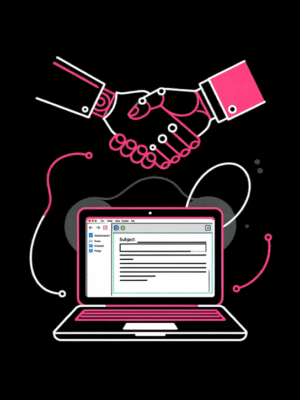
An AI sales assistant is software that automates repetitive sales tasks—such as lead qualification, follow‑ups, research, and CRM updates—so sales teams can focus on live conversations and closing deals.
For founders and revenue leaders, AI sales assistants solve three persistent problems: slow response times to inbound leads, inconsistent follow‑up, and sales reps spending more than half their week on non‑selling work. As a result, teams that adopt AI sales automation generate more revenue per rep—with less burnout.
What Does an AI Sales Assistant Do?
An AI sales assistant works alongside your sales team across the entire funnel. It supports – not replaces – human sellers by handling execution-heavy tasks that drain time and attention.
Most AI sales assistants help teams:
- Respond instantly to inbound website visitors
- Qualify and route leads automatically
- Draft and personalize outbound and follow‑up emails
- Summarize calls and update CRM records
- Identify at‑risk deals and forecast pipeline health
This combination of automation and intelligence allows sales teams to move faster without sacrificing quality or control.
Why Sales Teams Adopt AI Sales Assistants
Sales organizations adopt AI sales assistants to close execution gaps that manual processes can’t solve at scale.
Common problems AI exposes and fixes include:
- Slow lead response: Hot prospects wait hours—or days—for follow‑up
- Leaky inbound funnels: High‑intent visitors leave unanswered
- Generic outreach: Templates fail to resonate with decision‑makers
- Manual CRM work: Reps waste time logging activity instead of selling
- Poor visibility: Leaders spot pipeline risk too late
An AI sales assistant addresses these issues in real time, improving speed, consistency, and visibility across the revenue engine.
How an AI Sales Assistant Works Across the Sales Funnel
AI Lead Capture and Qualification (Top of Funnel)
AI sales assistants engage website visitors the moment they land on pricing or product pages. Instead of static forms, prospects interact with a conversational AI that can:
- Answer detailed questions about pricing, security, integrations, etc.
- Qualify leads by role, company size, and urgency
- Book meetings directly on a sales rep’s calendar—24/7
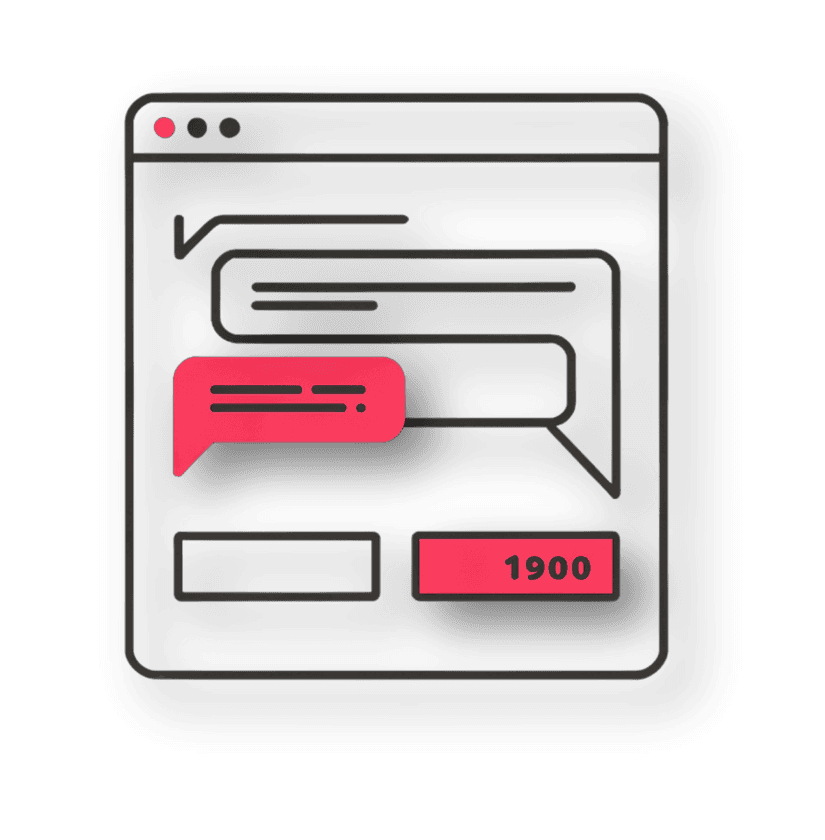
At the same time, AI prospecting tools scan LinkedIn, firmographic data, and CRM history to surface accounts that match your ideal customer profile.
What once took an SDR an entire day can now happen continuously in real time.
AI Sales Outreach and Follow‑Up Automation
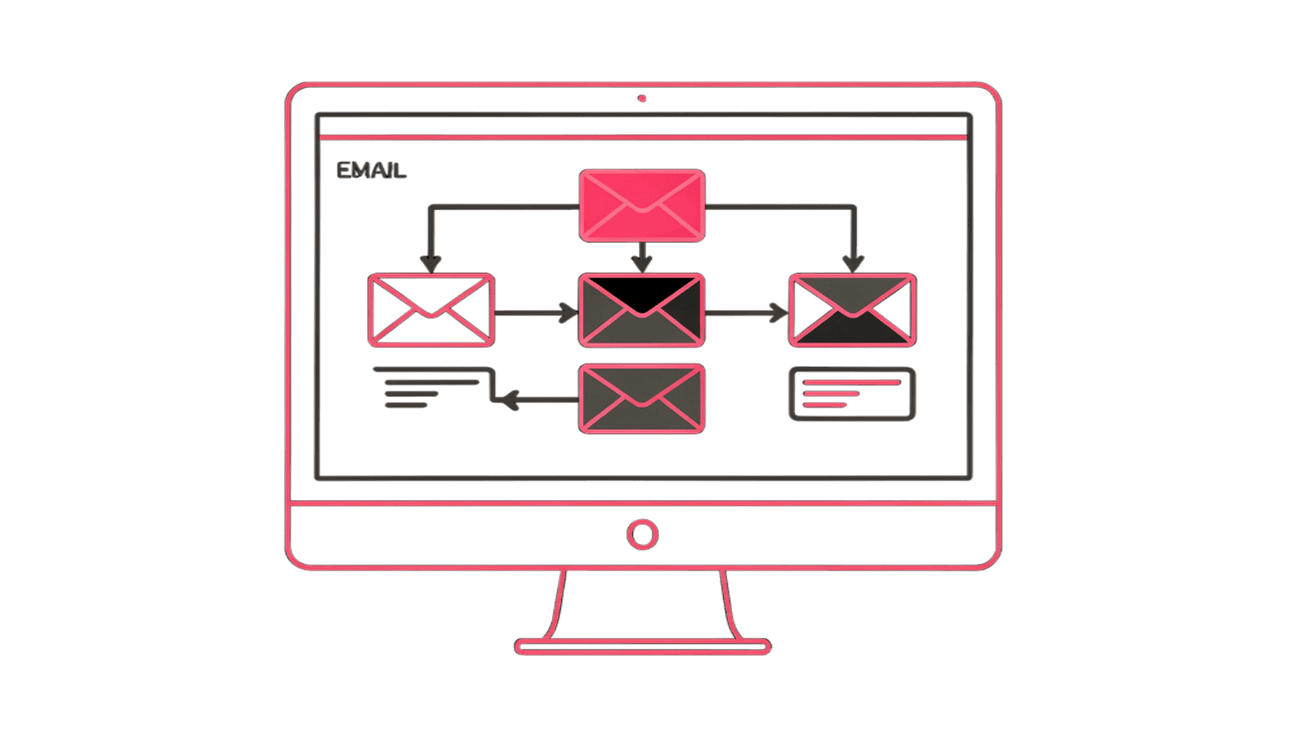
AI sales assistants support outbound and follow‑up efforts by:
- Drafting personalized emails and LinkedIn messages
- Suggesting subject lines and calls‑to‑action with higher reply rates
- Adjusting language for founders vs. operators or technical vs. business buyers
During calls and demos, conversation intelligence tools transcribe and analyze discussions in real time. They flag buying signals, objections, competitive mentions, and discovery gaps.
After each call, the AI automatically:
- Creates structured summaries
- Extracts next steps and action items
- Updates CRM fields
- Drafts follow‑up emails
What used to take 15–20 minutes now takes under a minute of human review.
AI Sales Analytics, Pipeline, and Forecasting
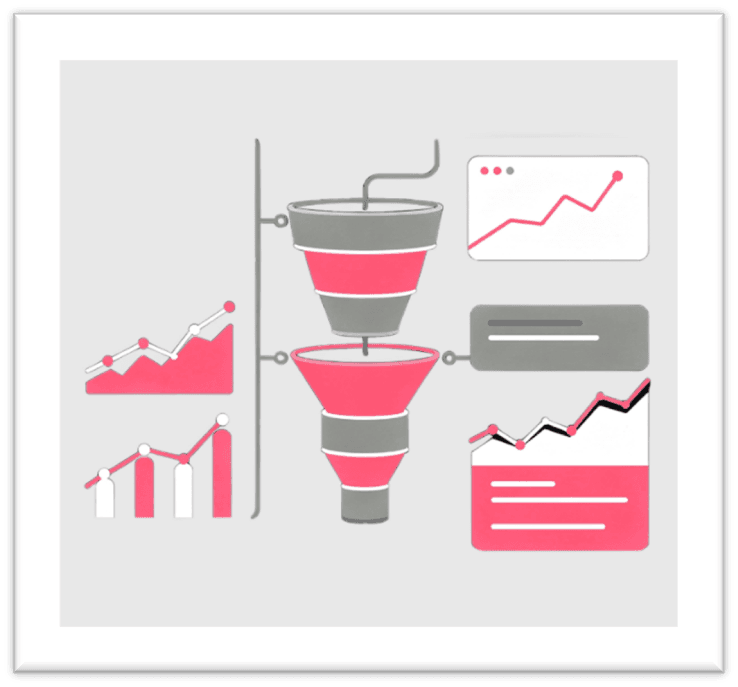
At the pipeline level, AI models monitor deal progression, engagement signals, and sentiment. Sales leaders gain early visibility into which deals are likely to close—and which are quietly stalling—before the quarter is at risk.
An effective AI sales assistant gives leadership:
- Real‑time pipeline health
- Early warnings on deal slippage
- More accurate revenue forecasts
Instead of managing by gut feel, teams manage by signals.
AI Sales Assistant ROI: What Teams See in the First Year
Most companies see measurable impact within 90–180 days, with ROI compounding throughout the first year.

- More Qualified Opportunities
AI sales assistants capture and qualify inbound traffic that would otherwise be missed, while filtering out poor‑fit leads before they reach reps.
- Faster Sales Cycles
Instant responses, automated follow‑ups, and adaptive outreach prevent deals from stalling due to human delay or inconsistency.
- Higher Revenue per Rep
By eliminating manual work, AI‑augmented sales teams consistently generate more revenue per rep—often without adding headcount.
Day‑to‑day, reps start with prioritized task lists, CRM updates are already done, and leaders get alerts when key deals go dark.
Addressing Concerns: Control, Quality, and the Human Touch
The biggest concern sales leaders have isn’t whether AI works – it’s whether they’ll lose control of the customer experience.
That risk is manageable with the right guardrails, including:
- Approved messaging and playbooks
- Permissions that limit autonomous actions
- Human approval for pricing and late‑stage negotiations
Transparency matters.
Most buyers are comfortable engaging with AI when it’s clear what it is and when escalation to a human is available. Many prefer a fast, accurate answer at 10 PM over silence.
When positioned as a sales coach, not a black box, AI improves onboarding, coaching, and consistency. AI handles repetitive, low‑emotion tasks; humans own trust, nuance, and complex problem‑solving.
A 90‑Day Roadmap to Implement an AI Sales Assistant
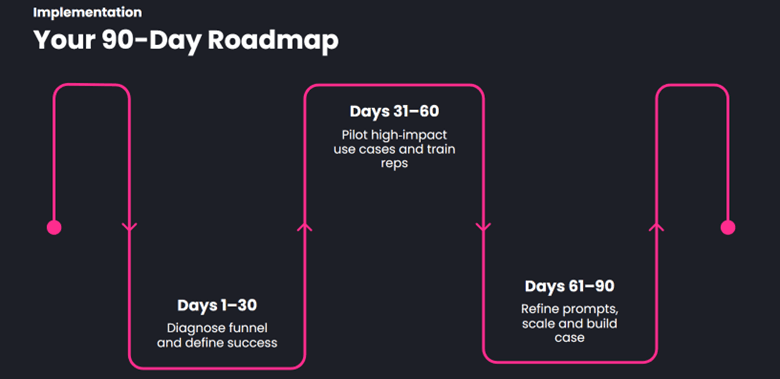
Days 1–30: Diagnose and Design
Map your funnel, identify friction points, and define success metrics such as lead response time, meetings booked, sales cycle length, and admin time per rep.
Days 31–60: Pilot High‑Impact Use Cases
Launch one or two focused pilots—such as website chat or AI call summaries. Train a small group of reps and capture both performance data and feedback.
Days 61–90: Refine and Scale
Tune prompts, routing rules, and messaging. If results are clear, expand to additional teams or use cases while reinforcing change management.
By day 90, you should have a working AI sales assistant and a data‑backed case for scaling.
How WIZ Advisors AI Helps You Get ROI Faster
Implementing an AI sales assistant isn’t about buying tools – it’s about connecting them into workflows that specifically fit your business.
WIZ Advisors AI partners with founders and revenue leaders to design AI‑augmented sales systems that deliver measurable results, including:
- Funnel and sales process assessment
- Human‑in‑the‑loop workflow design
- AI tool selection and CRM integration
- Playbooks, prompts, and sales team training
Instead of trial‑and‑error, you get proven patterns and a partner accountable for outcomes—not just software licenses.
Final Takeaway
An AI sales assistant is quickly becoming core sales infrastructure. Teams that adopt AI sales automation early increase productivity, improve forecast accuracy, and generate more revenue per rep—without increasing burnout.
If you are ready to take the next step, reach out to WIZ Advisors AI via our contact page, or email Stacey Wisniewski, our founder, directly at stacey@wizadvisors.ai.